Monkey Rocket: A Fresh Display Font for Editorial Design
When it comes to editorial design, the right font can make all the difference. Monkey Rocket is a display font that brings a sense of energy and approachability to any project. Its relaxed yet modern style makes it ideal for a wide range of applications, from blog headers to magazine covers and beyond.
Understanding the Visual Style of Monkey Rocket
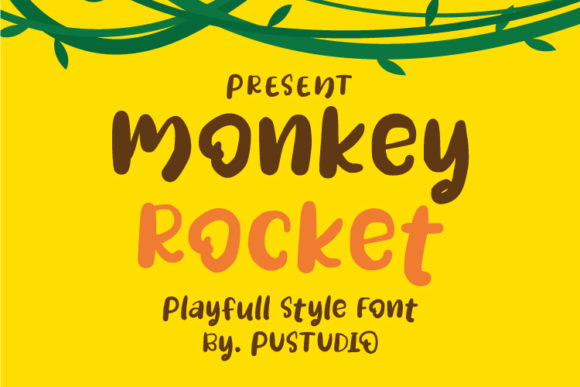
Monkey Rocket has a clean and friendly appearance with subtle character details that add personality without overwhelming the reader. The font’s rounded edges and slightly playful form give it a casual tone, making it well-suited for content that aims to be inviting and engaging. It balances visual interest with readability, which is essential for maintaining attention in long-form content or quick-read formats.
The font’s versatility allows it to work well across different media. Whether you're designing a print booklet or a digital newsletter, Monkey Rocket maintains its clarity and charm. This makes it a valuable asset for creators who want to maintain a consistent brand identity while keeping their content visually appealing.
Using Monkey Rocket in Editorial Layouts
For bloggers and publishers, using Monkey Rocket in blog headers can instantly elevate the look of a post. Its unique character helps draw attention to the title, setting the tone for the content that follows. When paired with a readable serif or sans-serif font for body text, it creates a balanced and professional layout that feels both modern and approachable.
In magazine design, Monkey Rocket works particularly well for cover titles and section headings. Its fresh aesthetic complements lifestyle, fashion, and creative content, helping to establish a visual theme that resonates with readers. For ebook creators, this font is perfect for chapter openers, title pages, and even pull quotes that need to stand out from the surrounding text.
Newsletter writers can also benefit from incorporating Monkey Rocket into their designs. Using it for headlines and call-out boxes adds visual interest and helps guide the reader through the content. It’s especially effective when used sparingly, allowing it to highlight key messages without distracting from the overall message.
Practical Applications Across Content Types
Consider a lifestyle blog focused on wellness and self-care. Monkey Rocket could serve as the primary font for article titles, creating a warm and welcoming atmosphere. In a recipe ebook, it might be used for chapter titles or ingredient lists, adding a touch of playfulness to the content.
For wedding guides and event planners, Monkey Rocket can bring a sense of fun and creativity to cover designs and section headers. In coaching workbooks or printable planners, it can be used for motivational quotes or goal-setting sections, reinforcing the positive tone of the material.
Digital magazines and online publications can leverage Monkey Rocket for feature titles and promotional banners. Its ability to capture attention quickly makes it an excellent choice for headlines that need to stand out in a crowded digital space.
Readability and Practical Considerations
While Monkey Rocket excels in display settings, it's important to consider how it performs in longer passages. It is best suited for short bursts of text such as headlines, subheadings, and pull quotes rather than extended paragraphs. For body copy, pairing it with a more traditional serif or sans-serif font ensures optimal readability across screens and print.
When designing for mobile layouts, testing the font at smaller sizes is crucial. Monkey Rocket should remain legible even when scaled down, ensuring that the visual impact doesn’t come at the cost of usability. Similarly, when exporting to PDF or print, checking for consistency in line spacing and kerning helps maintain a polished appearance.
Font Pairing and Brand Consistency
To create a cohesive design, pairing Monkey Rocket with complementary fonts is essential. A classic serif font like Garamond or Georgia can provide contrast and balance, making it easier for readers to navigate between headline and body text. Alternatively, a clean sans-serif font like Helvetica or Arial can offer a more modern and minimalist feel.
Consistency in typography plays a key role in building brand identity. By using Monkey Rocket consistently across different materials—such as logos, social media posts, and website headers—you can reinforce your brand’s visual voice. This helps create a memorable impression and strengthens reader recognition over time.
Licensing and Commercial Use
If you plan to use Monkey Rocket in commercial projects such as ebooks, templates, printables, or paid newsletters, it's important to ensure that you have the appropriate license. Many premium fonts require specific permissions for use in client work, digital downloads, or mass distribution. Always review the licensing terms before incorporating it into your final product.
By choosing the right font and understanding its limitations and strengths, you can enhance the visual appeal of your content while maintaining a strong editorial foundation. Monkey Rocket offers a fresh and adaptable option for those looking to inject personality into their designs without sacrificing readability or professionalism.