Raccoon Font for Editorial Design and Creative Projects
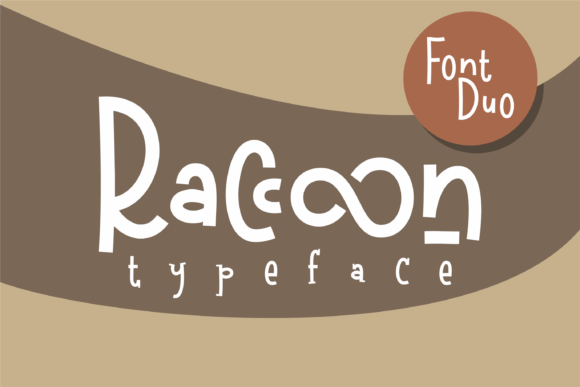
Raccoon is a simple and cute display font that brings warmth and charm to editorial design. Its soft curves and playful yet clean lines make it ideal for a variety of creative projects, from blog headers to children’s books. As someone who regularly works with fonts for magazines, ebooks, and newsletters, I find Raccoon to be a versatile choice that enhances visual appeal without compromising readability.
Visual Characteristics and Style of Raccoon
The Raccoon font has a friendly and approachable personality. It features rounded edges and gentle serifs that give it a hand-drawn feel while maintaining a level of sophistication. This makes it perfect for designs that aim to evoke a sense of playfulness or nostalgia. The font's consistent stroke width ensures that it remains legible even at smaller sizes, making it suitable for both digital and print formats.
Its character set includes a range of stylistic alternates, which allows for subtle variations in letterforms. These can be used to add visual interest to headlines or pull quotes without overwhelming the reader. Whether you're designing a greeting card or a social media graphic, Raccoon adds a touch of personality that stands out.
Using Raccoon in Editorial Design
Raccoon shines in editorial contexts where a warm and inviting tone is desired. For instance, using it as the main headline font on a lifestyle blog can immediately set the mood for the content. Pairing it with a clean sans serif font like Helvetica or Arial for body text ensures a balanced layout that is easy on the eyes.
In a wedding guide or event planner, Raccoon can be used for chapter openers or section headings. Its whimsical style complements themes centered around celebration and joy. Similarly, for a recipe ebook, Raccoon can be used for titles of dishes or special sections, adding a personal and engaging touch.
For newsletter graphics, Raccoon can help create eye-catching callouts or quote blocks. When used sparingly, it draws attention without distracting from the core message. In digital magazines or online courses, it can be employed for module titles or interactive elements, enhancing the user experience.
Readability and Practical Considerations
While Raccoon is primarily a display font, its readability across different mediums is worth noting. On screens, it performs well at larger sizes, making it suitable for web headers and banners. When exported to PDFs or printed, the font maintains clarity, ensuring that your publication looks professional regardless of the format.
Considering mobile layouts, it's important to ensure that Raccoon doesn't become too small or distorted. Using it for headlines or subheadings rather than body text helps maintain legibility on smaller screens. For print materials, checking how the font interacts with different paper textures and ink types can further optimize its use.
Font Pairing and Branding Opportunities
Raccoon pairs well with other fonts that provide contrast and balance. A classic serif font like Georgia or Times New Roman can serve as an excellent complement for body copy, offering a traditional feel that contrasts nicely with Raccoon's modern, playful style. Alternatively, a minimalist sans serif font like Roboto or Lato can be used for captions and navigation elements, creating a cohesive yet dynamic typographic system.
When building brand identity, Raccoon can be a key component of your visual language. Its unique character can be used consistently across logos, packaging, and marketing materials to reinforce brand recognition. For independent content brands or course creators, this font can help establish a distinct and memorable look.
Commercial Use and Licensing
If you're planning to use Raccoon in commercial projects such as paid newsletters, client publications, or digital downloads, it's essential to check the licensing terms. Many premium fonts require specific licenses for commercial use, and ensuring compliance helps avoid any legal issues. Always review the font's usage rights before incorporating it into your work.
For ebook creators or template designers, investing in a commercial license for Raccoon ensures that your final product meets industry standards and maintains the highest quality. It also allows you to confidently offer your designs to clients or publish them for sale without concerns about copyright infringement.
Practical Applications Across Content Types
Raccoon's versatility makes it a great fit for a wide range of content types. In a printable planner or worksheet, it can be used for section headers or motivational quotes, encouraging engagement and interaction. For a coaching workbook, it can enhance the visual appeal of chapter titles or goal-setting pages.
In a digital magazine or newsletter, Raccoon can be used for feature titles or promotional banners, helping to draw readers' attention. For social media graphics, its cheerful style aligns well with platforms like Instagram or Pinterest, where visual appeal plays a crucial role in engagement.
Whether you're working on a children’s book, a branding project, or a creative guide, Raccoon offers a unique way to elevate your typography. Its combination of simplicity and charm makes it a valuable asset in any designer's toolkit.